Construction Workers
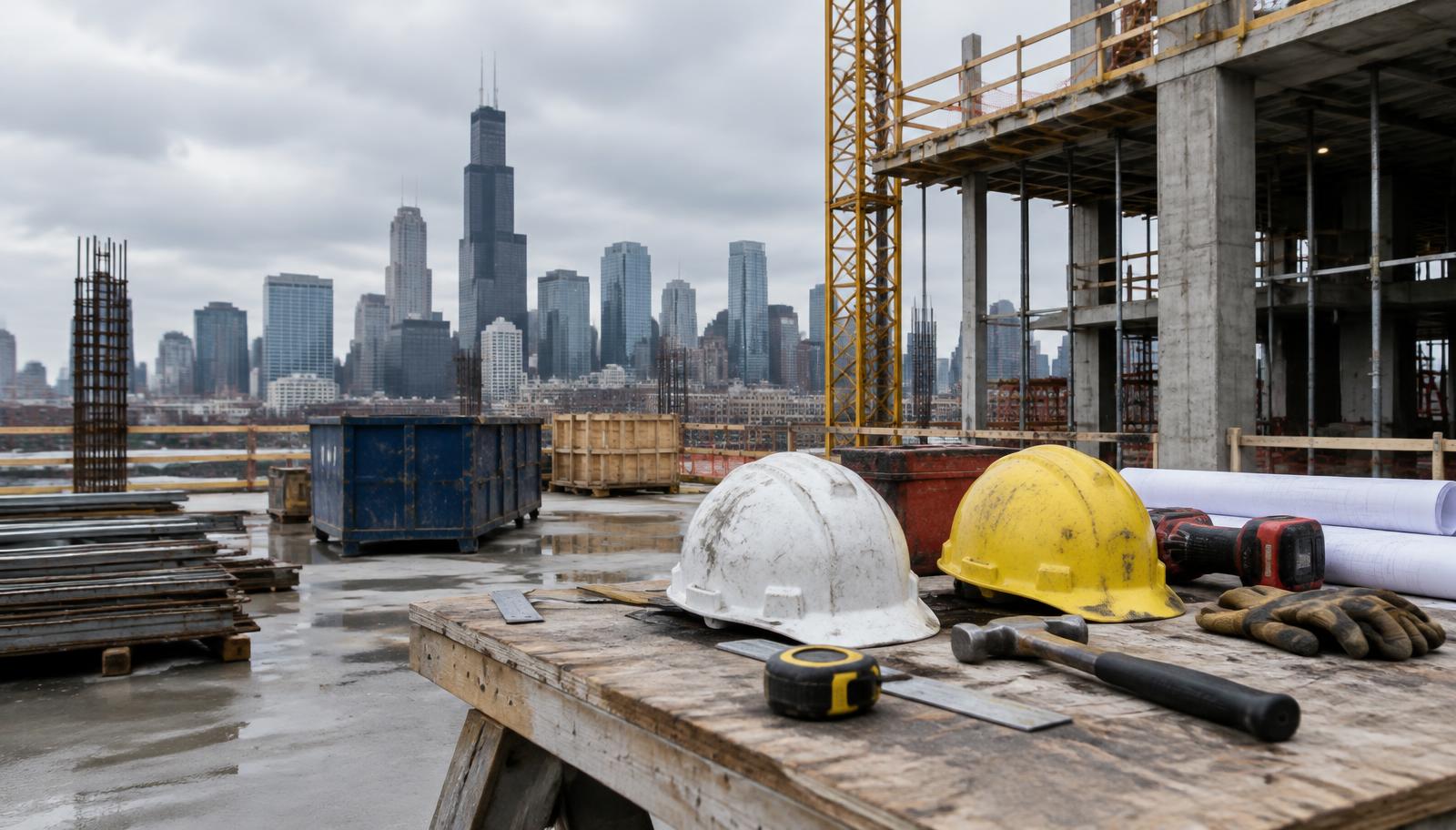
The injuries we see most from job sites
- Back and neck strain from lifting, carrying and overhead work
- Knee injuries from kneeling, ladders and uneven ground
- Shoulder injuries from overhead tools and repeated reaching
- Hand and wrist injuries from tools, vibration and crush incidents
- Falls from height or on the same level
Why the job description matters
The provider documents what your work actually requires: the weights you lift, how long you kneel, whether you work overhead, what tools you use. That detail shapes both the treatment plan and the work status note, so the restrictions make sense on a real job site.
What the first visit covers
- A history of the incident and your job duties
- A physical examination of the injured area
- A treatment plan written for your injury and the work you do
- A work status note describing what you can and cannot do while you recover
- Referrals for imaging or pain management when the provider finds they are needed
Getting back on site
Treatment rebuilds the strength and tolerance your trade requires before you return to full duty. Restrictions are updated at follow-up visits so the foreman or employer has current limits in writing.
Common questions
Do I need my employer's permission to be seen?+
In general, Illinois allows an injured worker to choose their own physician. Telling your employer about the injury and where you are being treated helps the billing go to the right place.
Will I get a note for work?+
Yes. The provider writes a work status note at the visit describing any restrictions.
Do I pay at the visit?+
For a covered work injury, the provider bills the employer or its insurer directly.
Request a Visit
We call back within 1 hour, or call (312) 847-2412.